
Lights Out for Turtles: Protecting Sea Turtles in Myrtle Beach
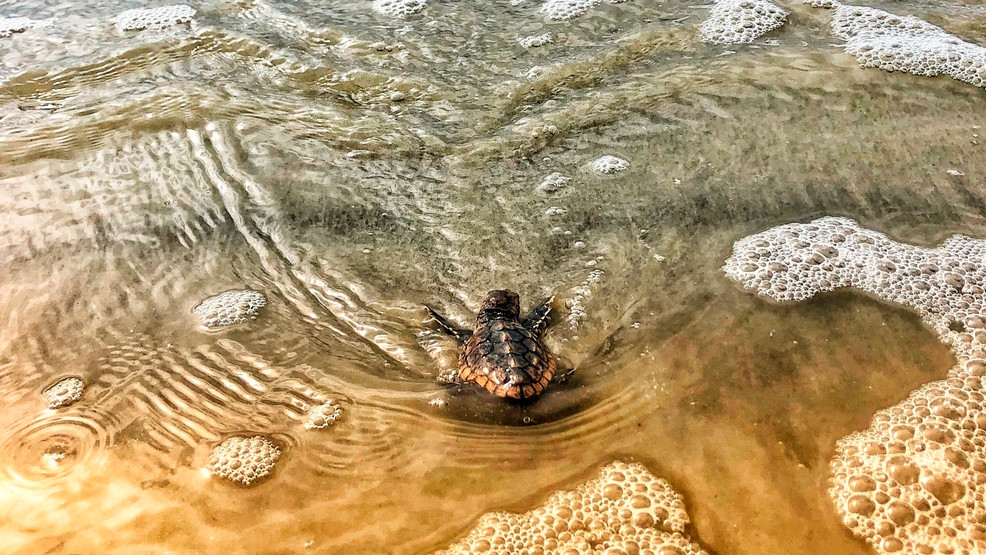
Every year along the shores of Myrtle Beach, Murrells Inlet, and the Grand Strand, endangered sea turtles come ashore to nest. From late spring through early fall, these incredible animals depend on dark beaches to safely lay eggs and guide hatchlings to the ocean. The Lights Out for Turtles movement encourages residents and visitors to reduce artificial lighting along the coastline to protect nesting turtles and their babies.
If you’re visiting or living in Myrtle Beach and love wildlife, participating in Lights Out for Turtles is one of the easiest and most meaningful ways to protect the local ecosystem during sea turtle nesting season in Myrtle Beach.
What is Lights Out for Turtles?
Lights Out for Turtles is a conservation effort focused on reducing artificial beachfront lighting during sea turtle nesting season, which typically runs from May through October along the South Carolina coast.
Sea turtles rely on natural light from the moon and stars reflecting off the ocean to navigate. Artificial lights from homes, hotels, and condos can confuse turtles and hatchlings, often leading them away from the water instead of toward it.
When hatchlings become disoriented, they face serious dangers such as:
- Dehydration
- Predators
- Exhaustion
- Vehicle traffic
- Getting trapped in dunes or landscaping
Turning off unnecessary lights dramatically improves their chances of survival.
Why Myrtle Beach and Murrells Inlet Are Important for Sea Turtles
The Grand Strand is an important nesting area for several sea turtle species, especially the loggerhead turtle. Female turtles often return to the same beaches where they hatched decades earlier to lay their eggs.
Protected nesting areas can be found across the Grand Strand, including:
- Residential beaches
- Resort shorelines
- Public beach accesses
- Protected coastal areas like Myrtle Beach State Park
- Shorelines near Murrells Inlet and surrounding coastal habitats
During nesting season, volunteers and wildlife organizations carefully monitor nests and help protect them until hatchlings emerge.
Even with these efforts, artificial lighting remains one of the largest threats to hatchling survival.
How Artificial Light Harms Hatchlings
Newly hatched turtles usually emerge at night when the sand is cooler and predators are fewer. Instinct tells them to crawl toward the brightest horizon — historically the moonlit ocean.
Today, beachfront lighting can overpower that natural glow.
Hatchlings may crawl toward:
- Condo balconies
- Parking lot lights
- Streetlights
- Flashlights
- Campfires
- Interior lights shining through windows
Without intervention, many hatchlings never reach the water.
How Tourists Can Help Protect Sea Turtles
Visitors to Myrtle Beach and Murrells Inlet play a major role in turtle conservation. Even small actions make a big difference.
Turn Off Beachfront Lights
If you are staying oceanfront:
- Turn off balcony lights at night
- Close curtains or blinds after sunset
- Use low-wattage or turtle-safe bulbs when possible
Avoid Flashlights on the Beach
If walking on the beach at night:
- Use red-filtered flashlights instead of white lights
- Keep lights pointed downward
- Never shine lights toward turtles or the ocean
Fill in Holes and Knock Down Sandcastles
Hatchlings can become trapped in beach obstacles. Before leaving:
- Fill in holes
- Flatten sand structures
- Remove toys and chairs
Respect Marked Turtle Nests
Nests are clearly marked and protected.
Always:
- Keep distance
- Do not touch nests or hatchlings
- Avoid placing umbrellas or chairs nearby
Why Lights Out Matters for the Future
Sea turtles have survived for over 100 million years, but today many species are threatened or endangered. Human activity has dramatically reduced hatchling survival rates.
Simple actions like reducing beachfront lighting can significantly improve the odds that hatchlings reach the ocean and return as adults decades later.
Protecting turtles also helps support healthy coastal ecosystems. Sea turtles play an important role in maintaining marine habitats that benefit fish, dolphins, birds, and other wildlife found throughout the Grand Strand and Murrells Inlet marshes.
Family-Friendly Wildlife Experiences in Myrtle Beach & Murrells Inlet
Wildlife viewing is one of the most memorable parts of visiting Myrtle Beach and the Grand Strand. From spotting dolphins offshore to seeing ghost crabs on the beach and learning about nesting turtles during the summer months, the South Carolina coast offers unforgettable outdoor experiences.
For visitors looking for family-friendly things to do in Myrtle Beach and Murrells Inlet, wildlife tours offer an exciting and educational way to experience the coast responsibly. A dolphin watch cruise with Crazy Sister Marina gives guests the chance to spot Atlantic bottlenose dolphins and other marine wildlife in their natural habitat, while a salt marsh eco tour in Murrells Inlet offers hands-on opportunities to explore local ecosystems and learn about marsh wildlife, shells, birds, and coastal habitats.
These experiences are a fun way to enjoy the natural beauty of the South Carolina coast while gaining a deeper appreciation for conservation and the ecosystems that make Myrtle Beach and Murrells Inlet so special.
Participating in Lights Out for Turtles allows visitors and locals to become part of a conservation effort that truly makes a difference.
The next time you’re enjoying a nighttime ocean view, consider turning off unnecessary lights — you may be helping dozens of baby sea turtles find their way home.