
How to Read Lifeguard Warning Flags in Myrtle Beach
Your Guide to Safe Beach Days Along the Grand Strand
A day at the beach is one of the highlights of any Myrtle Beach vacation. Whether you’re relaxing on the sand, swimming in the Atlantic, or planning a dolphin cruise, fishing charter, or boat rental with Crazy Sister Marina in nearby Murrells Inlet, understanding local beach safety helps you make the most of your time on the Grand Strand.
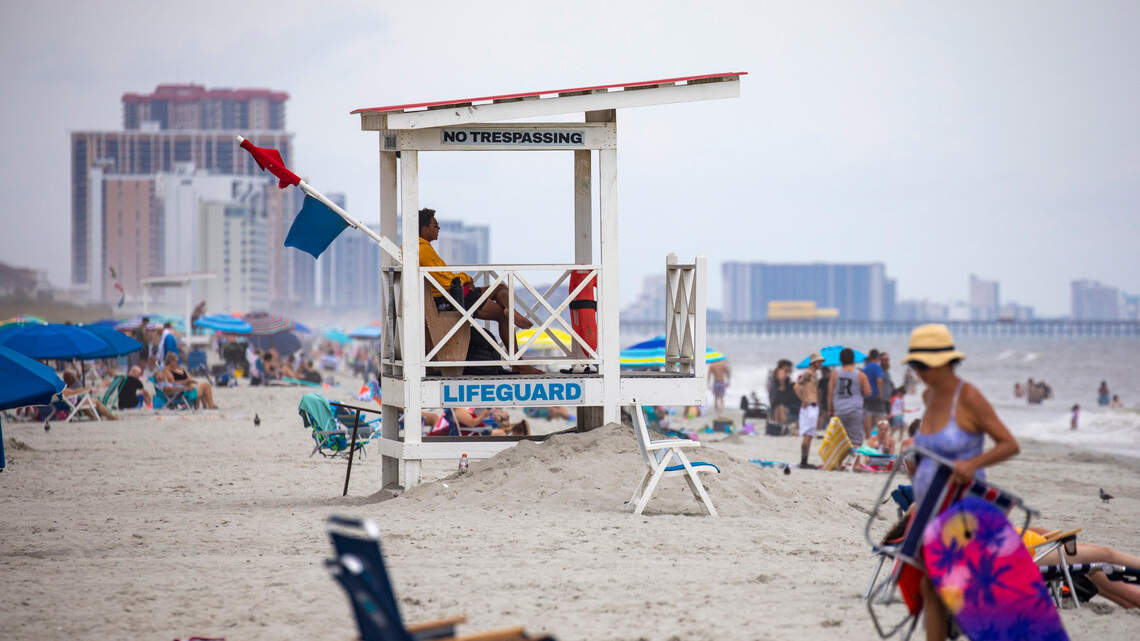
One of the easiest ways to stay informed is by checking the lifeguard warning flags before entering the water. These color-coded flags are displayed at lifeguard stands throughout Myrtle Beach and communicate current ocean conditions, helping visitors make informed decisions while enjoying the coast.
Here’s what each flag means and how you can enjoy a fun, safe day at the beach.
Why Beach Warning Flags Matter
Ocean conditions naturally change throughout the day due to tides, wind, waves, weather, and marine life. Lifeguards monitor these changing conditions and raise warning flags to help beachgoers understand what to expect before entering the water.
Taking a quick look at the flags before swimming is a simple habit that can help you enjoy your beach day with greater confidence. If you ever have questions about the current conditions, don’t hesitate to ask one of the lifeguards on duty.
Myrtle Beach Lifeguard Flag Meanings
🟢 Green Flag — Low Hazard
A green flag indicates generally calm water conditions with a low level of risk. While the ocean is never completely without hazards, this is typically considered the best time to enjoy swimming.
Best practices:
- Enjoy swimming and other beach activities.
- Continue supervising children closely.
- Follow all lifeguard instructions.
🟡 Yellow Flag — Medium Hazard
A yellow flag means moderate surf or currents are present. Swimming is still permitted, but extra caution is encouraged, especially for children and less experienced swimmers.
Best practices:
- Swim near a staffed lifeguard stand.
- Stay aware of changing wave conditions.
- Consider using Coast Guard-approved flotation devices for weaker swimmers.
🔴 Red Flag — High Hazard
A red flag signals rough surf or strong currents that make swimming more dangerous than usual. Visitors are encouraged to stay close to shore or choose another way to enjoy the beach until conditions improve.
Best practices:
- Avoid venturing into deeper water.
- Listen carefully to lifeguard guidance.
- Keep children out of the surf.
🔴🔴 Double Red Flag — Water Closed
Double red flags mean the water is closed to the public due to hazardous conditions. Swimming and wading are not permitted until the closure has been lifted.
Best practices:
- Stay completely out of the water.
- Spend time relaxing on the beach, collecting shells, building sandcastles, or exploring other Grand Strand attractions.
🟣 Purple Flag — Dangerous Marine Life
A purple flag alerts visitors that marine life capable of causing injury—such as jellyfish or stingrays—has been spotted in the area. These animals are a natural part of the coastal ecosystem and are usually easy to avoid by remaining aware of your surroundings.
Best practices:
- Watch where you step while entering the water.
- Shuffle your feet when wading in shallow areas.
- Ask lifeguards about recent marine life activity.
Other Beach Flags You May See
Although the five flags above are the most common along Myrtle Beach, you may occasionally encounter additional safety flags.
- Red and Yellow Flags Together: Designate the area monitored by lifeguards and indicate the recommended place to swim.
- Red and White Quartered Flag: Signals an emergency and instructs everyone to leave the water immediately.
Always check posted signs at your beach access point, as safety systems may vary slightly between locations.
Myrtle Beach Beach Safety Tips
Before heading into the ocean, keep these simple tips in mind:
- Check the warning flags every time you visit the beach.
- Remember that ocean conditions can change throughout the day.
- Swim near lifeguard stations whenever possible.
- Follow instructions from lifeguards and beach officials.
- Keep a close eye on children, even during calm conditions.
- When in doubt, ask a lifeguard about current water conditions.
These simple habits can help make your Myrtle Beach vacation enjoyable from start to finish.
Continue Your Water Adventure with Crazy Sister Marina
Once you’ve enjoyed the beach, continue exploring the beautiful waters of the Grand Strand with Crazy Sister Marina in Murrells Inlet. For more than 50 years, we’ve helped visitors create unforgettable coastal memories through dolphin cruises, fishing charters, boat rentals, jet ski rentals, eco tours, pirate adventures, and other family-friendly experiences.
Just a short drive south of Myrtle Beach, Murrells Inlet offers a different way to experience the South Carolina coast, from peaceful salt marshes and abundant wildlife to some of the area’s best fishing and boating opportunities.
Whether you’re spending the day on the beach or heading out on the water with Crazy Sister Marina, taking a moment to understand beach warning flags is one of the easiest ways to enjoy a fun, safe, and memorable vacation along the Grand Strand.
Frequently Asked Questions
What do the beach warning flags mean in Myrtle Beach?
Beach warning flags communicate current ocean conditions and help visitors understand whether conditions are calm, require extra caution, or are unsafe for swimming.
Can you swim when a red flag is flying?
A single red flag indicates hazardous water conditions. Visitors are encouraged to avoid swimming and follow the guidance of local lifeguards.
What does a purple flag mean at Myrtle Beach?
A purple flag means potentially dangerous marine life, such as jellyfish or stingrays, has been observed nearby. It doesn’t necessarily mean the beach is closed, but swimmers should remain alert.
Should I check the flags every day?
Yes. Ocean conditions can change quickly throughout the day, so checking the warning flags before entering the water is recommended every time you visit the beach.