
Dolphin vs Porpoise: How to Tell the Difference in Myrtle Beach Waters
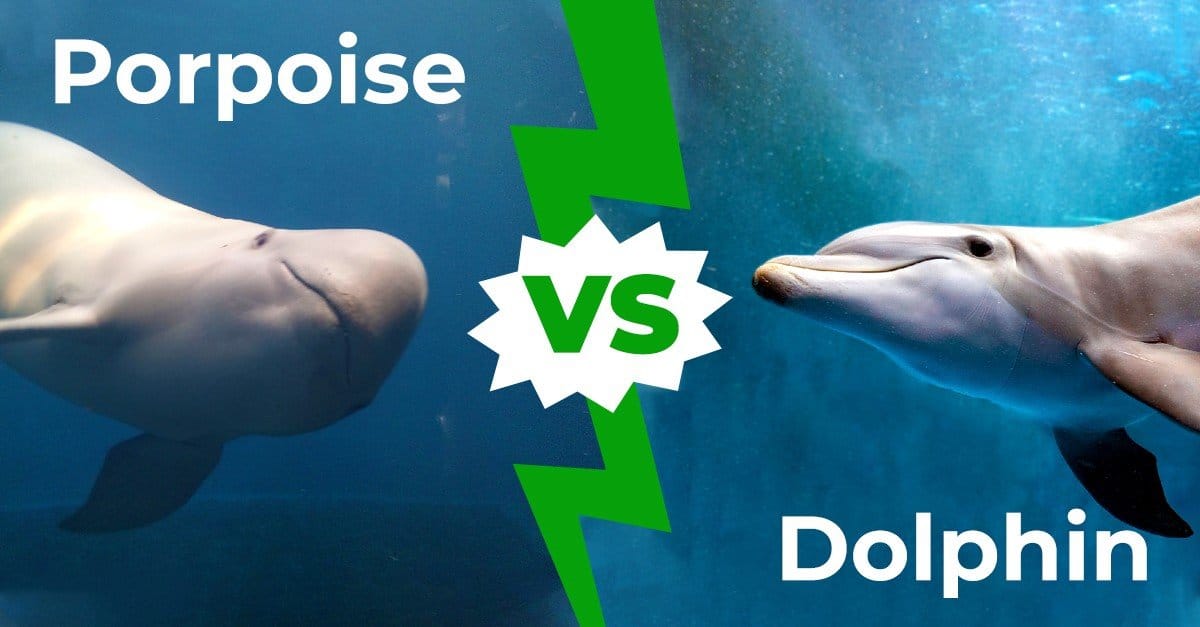
If you’re visiting Myrtle Beach and hoping to spot marine wildlife, chances are you’ll see dolphins swimming along the coastline or in the calm waters of Murrells Inlet. Many visitors often ask the same question: What’s the difference between a dolphin and a porpoise?
Although dolphins and porpoises may look similar at first glance, they are actually different animals with distinct characteristics. Understanding these differences can make your wildlife viewing experience even more exciting during your Myrtle Beach vacation.
Are Dolphins and Porpoises the Same?
Dolphins and porpoises are both marine mammals that belong to the whale family, but they come from different biological groups. Dolphins are part of the Delphinidae family, while porpoises belong to the Phocoenidae family.
The species most commonly seen along the Grand Strand is the Bottlenose Dolphin, which lives year-round in the coastal waters of South Carolina. These dolphins are known for their playful behavior and are frequently spotted swimming near boats, marshes, and oceanfront beaches.
Porpoises, on the other hand, are rarely seen in Myrtle Beach waters, making dolphins the marine mammal tourists are most likely to encounter.
Key Differences Between Dolphins and Porpoises
Here are some easy ways to tell dolphins and porpoises apart if you spot marine mammals while visiting Myrtle Beach:
1. Nose Shape
One of the easiest ways to identify a dolphin is by its long, pointed snout, often called a beak.
Porpoises have short, rounded faces without a noticeable beak, giving them a more compact appearance.
If you see an animal with a pronounced nose swimming near the beach or a boat, it is almost certainly a dolphin.
2. Body Size
Dolphins tend to be larger and longer than porpoises.
- Dolphins: Typically 6–12 feet long
- Porpoises: Usually 4–7 feet long
The dolphins along the Myrtle Beach coast typically fall into the mid-range of dolphin sizes.
3. Dorsal Fin Shape
Looking at the dorsal fin (the fin on the animal’s back) is another helpful clue.
- Dolphins usually have curved or hooked dorsal fins
- Porpoises usually have triangular dorsal fins
The curved dorsal fin is a classic feature of Myrtle Beach dolphins.
4. Teeth Shape
While you won’t see this from a boat, scientists distinguish dolphins and porpoises by their teeth:
- Dolphins have cone-shaped teeth
- Porpoises have spade-shaped teeth
This difference reflects their slightly different feeding habits.
5. Behavior Differences
Dolphins are generally more social and playful than porpoises. Visitors often see dolphins:
- Jumping out of the water
- Riding boat wakes
- Swimming in groups called pods
Porpoises are typically shier and tend to avoid boats and people.
Because of their friendly and curious nature, dolphins are a highlight for wildlife watchers visiting Myrtle Beach.
Where to See Dolphins in Myrtle Beach
If you’re hoping to see dolphins during your Myrtle Beach vacation, one of the most reliable places to start is Crazy Sister Marina in the heart of Murrells Inlet.
Dolphins can be spotted all along the Grand Strand, but some of the most consistent sightings happen in these areas:
-
The oceanfront beaches of Myrtle Beach
-
The marshes of Murrells Inlet
-
Inshore creeks and estuaries
-
Near fishing boats and bait schools
However, the absolute best way to see dolphins up close is on a guided dolphin cruise departing directly from Crazy Sister Marina. Their scenic dolphin watching tours travel through calm inlet waters and just offshore, where pods of dolphins are frequently seen feeding, playing, and riding alongside the boat.
Because Murrells Inlet is a natural estuary rich in baitfish, it creates the perfect feeding ground for dolphins — which means higher sighting success for visitors.
Fun Dolphin Facts Before Your Dolphin Cruise
Seeing dolphins in the wild is even more exciting when you know what makes them so remarkable:
-
Dolphins breathe air through a blowhole, just like whales
-
They use echolocation to locate fish and navigate murky water
-
They can swim up to 20 miles per hour
-
They are considered among the most intelligent marine animals on Earth
The species you’re most likely to encounter on a Crazy Sister Marina dolphin tour is the Common Bottlenose Dolphin. These dolphins are perfectly adapted to the warm coastal waters of South Carolina and are year-round residents of the Murrells Inlet area.
Why You’re Almost Always Seeing Dolphins (Not Porpoises) in Myrtle Beach
Many visitors think they’ve spotted a porpoise while walking along the beach — but in reality, nearly every marine mammal sighting in Myrtle Beach waters is a dolphin.
Porpoises prefer colder, deeper offshore waters. Dolphins, especially bottlenose dolphins, thrive in the warmer coastal waters of South Carolina. That’s why sightings are so common near Murrells Inlet and along the Grand Strand.
If you see a curved dorsal fin gliding through the waves during your trip, chances are you’ve just witnessed one of Myrtle Beach’s most beloved marine residents.
Make Dolphin Watching the Highlight of Your Myrtle Beach Vacation
Whether you’re watching from the beach or stepping aboard a dolphin cruise at Crazy Sister Marina, spotting dolphins is one of the most memorable wildlife experiences along the South Carolina coast.
For families, couples, and nature lovers alike, a dolphin tour offers:
-
Close-up wildlife encounters
-
Educational narration about local marine life
-
Calm inlet cruising perfect for all ages
-
Incredible photo opportunities
When planning your Myrtle Beach itinerary, be sure to include a dolphin cruise from Crazy Sister Marina in Murrells Inlet. With experienced captains and some of the most dolphin-rich waters along the Grand Strand, it’s one of the best ways to experience coastal South Carolina’s natural beauty.
Keep your eyes on the water, look for those curved dorsal fins — and get ready for an unforgettable dolphin sighting. 🐬