
How Murrells Inlet Became a Fishing Village: The History Behind South Carolina’s Seafood Capital
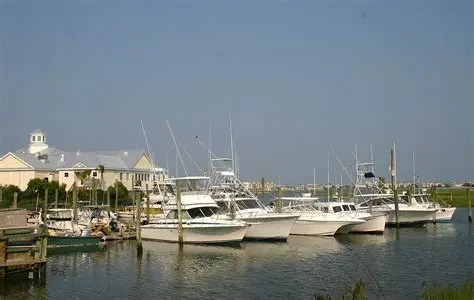
Discover the Rich Fishing Heritage of Murrells Inlet
Today, Murrells Inlet is known as the “Seafood Capital of South Carolina,” attracting visitors from around the world who come to enjoy fresh seafood, world-class fishing, scenic marsh views, and unforgettable adventures on the water. But long before the MarshWalk, fishing charters, and waterfront restaurants became local landmarks, Murrells Inlet was a small fishing village built on the bounty of the sea.
Whether you’re visiting for a deep-sea fishing trip with Crazy Sister Marina or simply curious about the area’s history, understanding how Murrells Inlet became one of the most famous fishing communities on the East Coast adds a whole new appreciation for this beautiful coastal destination.
The Natural Resources That Started It All
Murrells Inlet’s story begins with its unique geography. Nestled between the Atlantic Ocean and expansive saltwater marshes, the inlet provided an ideal environment for marine life to thrive.
The estuary where freshwater meets saltwater creates one of the most productive ecosystems in North America. Fish, shrimp, crabs, oysters, and countless other species found safe nursery grounds in the marshes, making the area a natural fishing hotspot for centuries.
Long before European settlers arrived, Native American tribes harvested seafood from these waters, relying on the abundance of fish and shellfish for sustenance.
Early Settlers and Life on the Water
By the 1700s and 1800s, European settlers recognized the value of Murrells Inlet’s rich fisheries. Families established small communities along the waterfront, making their living from fishing, oystering, crabbing, and shrimping.
Unlike larger port cities, Murrells Inlet remained relatively isolated for many years. The community grew slowly, with generations of local families passing down their knowledge of the waterways, tides, and fishing grounds.
Fishing wasn’t just a job—it was a way of life.
Residents depended on the water for food, income, transportation, and community. Wooden docks, small fishing boats, and seafood processing operations became common sights along the shoreline.
The Rise of Commercial Fishing
As transportation improved in the late 19th and early 20th centuries, Murrells Inlet’s seafood industry expanded significantly.
Commercial fishermen began supplying fresh catches to markets throughout South Carolina and beyond. Shrimping became especially important, with local shrimp boats heading out daily to harvest one of the region’s most valuable seafood resources.
Oysters, blue crabs, flounder, trout, and other local species also contributed to the area’s growing reputation as a seafood destination.
Fishing fleets became larger and more efficient, helping transform Murrells Inlet from a quiet coastal settlement into a thriving fishing village.
From Working Waterfront to Tourist Destination
By the mid-20th century, visitors began discovering the charm of Murrells Inlet. Travelers were drawn by the area’s natural beauty, fresh seafood, and opportunities to experience authentic coastal culture.
Local fishermen started offering recreational fishing trips, introducing visitors to offshore fishing adventures and helping create the charter fishing industry that remains strong today.
As tourism grew along the Grand Strand and Myrtle Beach, Murrells Inlet maintained much of its historic character while welcoming new visitors eager to experience life on the water.
Many of the same waterways that supported commercial fishermen generations ago now host fishing charters, dolphin cruises, eco-tours, kayak adventures, and sightseeing excursions.
Why Fishing Still Defines Murrells Inlet Today
Even though tourism has become a major part of the local economy, fishing remains deeply woven into Murrells Inlet’s identity.
You’ll still find:
- Commercial shrimp boats working the waters
- Local seafood markets selling fresh catches
- Charter fishing captains continuing family traditions
- Waterfront restaurants serving locally harvested seafood
- Generations of fishing knowledge passed down through local families
The connection between the community and the water remains as strong as ever.
Experience Murrells Inlet’s Fishing Heritage with Crazy Sister Marina
One of the best ways to understand Murrells Inlet’s fishing culture is to get out on the water yourself.
For over 50 years, Crazy Sister Marina (previously Capt Dick’s Marina) has been a part of Murrells Inlet’s waterfront community, helping visitors experience the fishing traditions and coastal culture that made the village famous. At Crazy Sister Marina, visitors can experience the traditions that helped shape the community through a variety of fishing adventures, including:
Deep Sea Fishing Trips
Head offshore aboard the New Inlet Princess or the Crazy Sister for an exciting day targeting species found in the waters that have supported local fishermen for generations.
Private Fishing Charters
Enjoy a personalized fishing experience with knowledgeable local captains who know these waters inside and out.
Family-Friendly Fishing Excursions
Introduce the next generation to one of Murrells Inlet’s oldest traditions with fishing trips designed for anglers of all ages and experience levels.
Dolphin Cruises and Eco Tours
Learn more about the unique ecosystem that made Murrells Inlet one of the most productive fishing areas on the South Carolina coast.
A Living Piece of South Carolina History
Murrells Inlet isn’t just a place to fish—it’s a community built by fishermen, shaped by the sea, and sustained by generations who understood the value of the waters surrounding them.
Every cast of a line, every shrimp boat leaving the dock, and every fresh seafood meal served along the waterfront reflects a tradition that stretches back centuries.
The next time you visit Murrells Inlet, take a moment to appreciate the rich fishing heritage that transformed a quiet coastal inlet into one of South Carolina’s most beloved waterfront destinations.
And if you’re ready to become part of that story, join Crazy Sister Marina for a fishing adventure and experience firsthand why Murrells Inlet has been a fishing village for generations.