
South Carolina Hurricane Season: What to Expect and How to Enjoy the Coast Safely
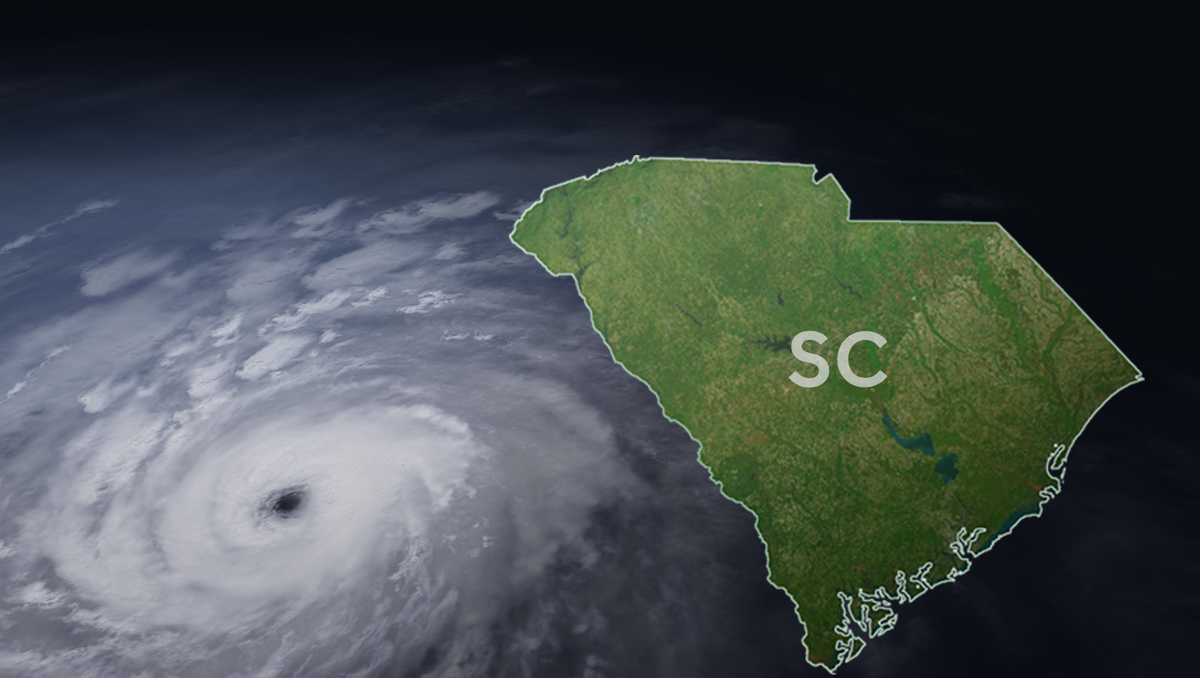
Every year from June 1 through November 30, South Carolina enters hurricane season. While the Grand Strand, Murrells Inlet, and Myrtle Beach areas are known for beautiful beaches, world-class fishing, and unforgettable days on the water, they are also part of a coastline that must stay weather-aware throughout the summer and fall months. Hurricane season officially runs from June through November, with August, September, and early October typically being the most active months.
Whether you’re a local resident, a seasonal visitor, or planning a vacation to the South Carolina coast, understanding hurricane season can help you stay safe while enjoying everything the coast has to offer.
When Is Hurricane Season in South Carolina?
The Atlantic hurricane season officially begins on June 1 and ends on November 30 each year. Historically, the highest risk period for South Carolina occurs from late August through early October when ocean temperatures are at their warmest and tropical systems are most likely to develop.
Even in years forecasted to have below-average storm activity, experts emphasize that it only takes one storm making landfall near your location to create significant impacts. NOAA’s 2026 outlook projects a somewhat quieter Atlantic season than recent years, but forecasters continue to stress the importance of preparedness.
What to Expect During Hurricane Season
Not every tropical system becomes a major hurricane. In fact, South Carolina often experiences impacts from tropical storms, offshore hurricanes, and storm remnants that can still bring:
- Heavy rainfall and localized flooding
- Strong winds
- Dangerous surf conditions
- Rip currents
- Coastal erosion
- Storm surge along low-lying coastal areas
- Temporary business closures and travel disruptions
For boaters and anglers, weather conditions can change rapidly when tropical systems are nearby. Monitoring forecasts and heeding marine advisories is essential during hurricane season.
Historical Hurricanes That Impacted South Carolina
South Carolina has experienced numerous hurricanes throughout its history, some of which left lasting impacts on coastal communities.
Hurricane Hugo (1989)
Often considered the benchmark hurricane for South Carolina, Hurricane Hugo made landfall near Charleston as a Category 4 hurricane. The storm caused widespread destruction across the state and remains one of the most significant natural disasters in South Carolina history.
Hurricane Matthew (2016)
Matthew paralleled the South Carolina coastline, bringing storm surge, coastal flooding, high winds, and historic inland flooding. The storm highlighted the importance of evacuation planning and flood preparedness.
Hurricane Florence (2018)
While Florence made landfall in North Carolina, South Carolina experienced significant flooding and prolonged rainfall. The storm demonstrated that hurricane impacts often extend far beyond the point of landfall.
How to Prepare for Hurricane Season
Preparation is the best defense against hurricanes. Taking action before a storm develops can make a tremendous difference.
Build an Emergency Kit
A hurricane emergency kit should include:
- Bottled water
- Non-perishable food
- Flashlights
- Batteries
- Portable phone chargers
- First aid supplies
- Prescription medications
- Important documents in waterproof containers
- Pet supplies if applicable
Know Your Evacuation Zone
South Carolina uses designated hurricane evacuation zones for coastal areas. Residents and visitors should know their evacuation routes before a storm threatens the coast. State emergency officials recommend reviewing evacuation information well before hurricane season reaches its peak.
Stay Informed
Monitor trusted weather sources, local news stations, the National Hurricane Center, and emergency management agencies throughout the season.
Prepare Your Boat
For boat owners, hurricane season preparation may include:
- Inspecting dock lines and fenders
- Reviewing marina hurricane procedures
- Removing loose gear
- Confirming insurance coverage
- Establishing a hurricane haul-out or relocation plan
Protect Your Home
Simple steps such as trimming trees, securing outdoor furniture, testing generators, and reviewing insurance policies can help minimize storm-related damage.
Visiting Myrtle Beach During Hurricane Season
Many visitors are surprised to learn that hurricane season coincides with some of the best weather and fishing conditions of the year along the Grand Strand. Most summer and fall days remain beautiful, and countless vacations proceed without any weather interruptions.
However, travelers should consider:
- Purchasing travel insurance
- Monitoring weather forecasts before departure
- Remaining flexible with travel plans
- Following local emergency guidance if a tropical system approaches
Businesses throughout Myrtle Beach and Murrells Inlet closely monitor weather conditions and prioritize guest safety whenever tropical weather threatens the area.
Hurricane Preparedness Starts Before the Storm
One of the most important lessons learned from South Carolina’s hurricane history is that preparation should begin long before a storm appears on the forecast map.
Whether you’re a local resident, a boating enthusiast, or visiting the Grand Strand for a family vacation, staying informed and prepared allows you to safely enjoy everything the South Carolina coast has to offer.
At Crazy Sister Marina, we closely monitor weather conditions year-round and prioritize the safety of our guests, crews, and vessels. While hurricane season is part of life along the coast, preparation, awareness, and respect for the power of nature help ensure everyone can continue enjoying the incredible waterways, fishing opportunities, and coastal adventures that make Murrells Inlet such a special destination.